
Digital entertainment includes a lot of ground, and online gaming is a big part of it. Young people across the UK need to understand how games work, what they are about, and what risks they might carry. This is a core piece of digital literacy today. This resource gives clear facts about one specific online slot game, Book of 99. We use it as a case study. The goal is not to encourage play, but to build informed awareness. We will look at its features, its use of random numbers, and where gambling-themed content fits in the wider world. With this knowledge, young people can look at media more critically. They can make conscious choices, distinguishing entertainment apart from potential harm.
Understanding the Title: Functions and Theme of Book of 99
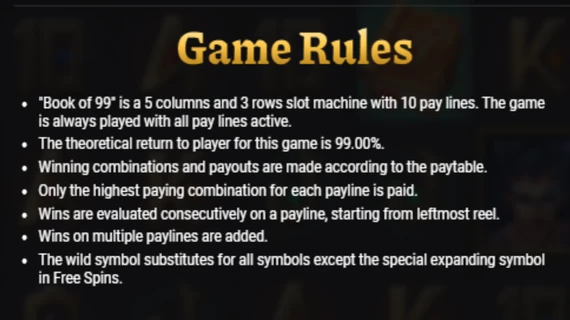
Book of 99 is an internet video slot machine. Its theme is one you find regularly in these games: ancient civilizations and exploration. The appearance and narrative focus on a mythical book, a standard symbol for knowledge and mystery in this genre. The machine functions on a standard grid with reels and paylines. A Random Number Generator (RNG) governs every spin’s outcome. One aspect people discuss a lot is its promoted theoretical return-to-player (RTP) percentage, which is 99%. This number is a long-term statistical average. It clarifies the game’s mathematical design. But it cannot tell you what will happen in a single playing session.
Playing requires matching symbols across the reels. Special symbols start bonus features. The main one is typically a free spins round, which commences when a certain combination of scatter symbols appears. In this bonus, one symbol might be picked to expand and cover whole reels. This can create more ways to win. For education, it’s important to present these mechanics as pre-programmed chance, not as challenges you can master with skill. The theme of exploration and discovery is there to pull you in. But underneath, the game is just a fast cycle of random spins where you wager money.
The purpose of Random Number Generators in slot machines
Each digital slot machine, Book of 99 included, operates with a Random Number Generator. This constitutes a complex algorithm. It generates a stream of numbers constantly, even when nobody is playing. When you press spin, the RNG chooses a number. That number aligns with a specific set of symbols on the reels. The whole thing takes place in an instant. Each spin is its own separate event with fixed odds. The game has no memory. It doesn’t know if you just lost ten times. No win is “due,” and no player can discover a pattern to predict what comes next.
Teaching materials should clarify this. The RNG provides unpredictability, which is a form of fairness. But it operates within the game’s set mathematical model, defined by its RTP and volatility. The exciting animations and sounds after a spin are just a show. The result is already decided. For young people, understanding this idea alters how they see the game. It stops being an interactive skill test and becomes the passive watching of a pre-set result. This understanding is a strong shield against superstitions. It combats the false idea that you can master a machine’s timing or that a large win must come after many losses.
Studying Game Features: Free Spins, Icons, and Volatility
Games like Book of 99 employ different features to keep players engaged. Free spins are a typical bonus. They usually start when three or more scatter symbols land. This gives you a number of spins without taking more from your balance. Remember, though, you already covered the initial stake to trigger this round. During free spins, one special symbol is often chosen at random to expand. If several of these appear, wins can be bigger. Other symbols include common low-value icons and higher-value pictures connected to the theme. Each has a set payout. How often and how big these payouts are depends on the game’s volatility.
Volatility, or variance, is a key idea for analysis. A high volatility game commonly gives larger wins, but not often. A low volatility game gives smaller wins more frequently. Book of 99, with its high advertised RTP, suits a specific volatility model to make its maths work. Looking closely at these features shows a structured psychological pattern. There’s the wait for the bonus round, the thrill of the expanding symbol, and the irregular payouts. These are well-known reinforcement methods that enhance immersion. Seeing them as deliberate design, not just luck, aids you keep a detached and analytical view.
Age Restrictions in Law and the British Regulatory System
The Gambling Commission closely oversees all gambling in the United Kingdom. The law is clear. Anyone under 18 is committing an offense if they gamble, and this includes playing online slots for real money. Companies that host Book of 99 must by law conduct strict age verification checks before they allow funding or allow play. This system shields young people. Their brains are still developing, making them more vulnerable to the monetary and mental harm gambling can cause. Educational talks must present this legal line plainly. They should explain the reason is prevention, not just an arbitrary rule.
Besides the legal age limit, UK advertising rules also regulate how gambling products are marketed. Ads cannot have significant attraction to people under 18. Yet the themes in games like Book of 99, like adventure and treasure hunting, can appeal to a younger audience. This makes educational resources even more important. They link the appealing themes to the regulated, age-restricted reality of the product. Knowing the law helps young people make sense of the ads they see. It explains why access is blocked, framing it as a safety measure based on research into consumer well-being.
Identifying the Line Between Gaming and Gambling
A key part of digital literacy is recognizing the difference between kinds of interactive entertainment. Mainstream video gaming, on consoles, PCs, or phones, usually means paying once for a product. It offers skill-based progression, stories, and goals. What you do changes the outcome. Gambling games, like online slots, are different. Here, you wager money on an uncertain event based on chance. The main goal is to win more money. Your actions do not alter the random result. Book of 99, for all its captivating theme, fits neatly into this second category.
The line can get fuzzy with things like loot boxes in some video games, which use chance-based mechanics. But a pure slot game has no skill element. It offers you no lasting gameplay achievement. Educational materials should encourage young people to ask simple questions. Is there a direct money stake per try? Is the outcome mostly down to chance? Can you convert winnings back into real cash? If the answer is yes, as it is with Book of 99, the activity is gambling. This understanding stops gambling mechanics from looking normal in other entertainment. It contributes to more critical consumption of all digital media.
Possible Dangers and the Notion of Controlled Gaming
People who wager are instructed to practice “responsible gambling” guidelines. This involves defining clear caps on time and money spent, never trying to win back losses, and treating it as funded amusement, not a means of generating income. Still, the hazards connected to gambling are serious and well known. They include losing money, impacts on mental wellness like increased stress or depression, and problems in personal relationships. Slot game structure renders these risks more powerful. The fast spin cycles, the possibility of a large payout, and the immersive features can make it simple to forget both time and money.
Young people confront a larger threat here. The section of the mind that manages impulse control and evaluates danger, slot book of 99, the prefrontal cortex, is still developing. Informational tools should lay out these risks accurately, without drama. Talking about the cognitive strategies in play develops fortitude. We refer to things like variable ratio reinforcement, which is the irregular pattern of wins, and “losses disguised as wins,” when a payout is lower than your original bet. The goal is to empower young individuals with an awareness of why these products are so captivating. They learn how that engagement can, for some, lead to harmful habits. This highlights why the legal age limit applies and why educated individual decisions matter later in life.
Materials for Additional Details and Help
A range of reliable UK organisations offer free, discreet guidance and support about gambling understanding and harm. These resources are useful for any young person looking to learn more, or for anyone worried about their own or someone else’s behaviour. GamCare is a key provider. They offer information, advice, and assistance for anyone touched by gambling problems. They run a helpline, a live chat service, and a range of local treatment services. The National Gambling Helpline, run by GamCare, is open 24 hours a day, seven days a week. GamCare also has a Young People’s Service designed for teenagers and young adults.
On top of this, schools and colleges often have pastoral support teams who can provide guidance. Websites like BigDeal, from the Young Gamers & Gamblers Education Trust (YGAM), have resources designed for young people to learn about gambling risks. The NHS delivers information and routes to support for gambling addiction too. Making these resources familiar helps normalise looking for information and help. It considers gambling harm as a public health issue with proper support systems in place. This shifts the conversation away from stigma and towards practical, solution-focused awareness. Knowing this lets young people share accurate information with friends. It helps them approach the topic with a grounded, health-minded point of view.